

Safe, healthy, and
inclusive workplaces
Inclusive workplaces
Our people are at the heart of our long-term strategy and value creation, driving us to exceed our ambitions. Guided by our ABCD values—Aspire, Believe, Collaborate, and Deliver— we cultivate a culture where individuals are empowered to grow, contribute, and perform at their best. Beyond competitive compensation and benefits, we foster a safe, inclusive, and growth-oriented work environment that supports continuous learning, career development, and meaningful contribution.
In 2025, we were once again recognized as among the Best Companies to Work for in Asia, a prestigious recognition program for organizations that have been identified by their employees as one of Asia’s employers of choice, showing exemplary HR practices, high employee engagement, and great workplace culture. We were also awarded the HR Asia Sustainable Workplace Award, a distinction granted to only 10 to 15 organizations annually. This recognition highlights ACEN’s steadfast commitment to environmental responsibility, sustainable business practices, and building a culture of eco-innovation that creates positive impact for both society and the planet. We also landed on TIME–Statista Asia-Pacific Best Companies 2026, which lists top 500 companies in the region based on employee satisfaction, revenue growth, and ESG disclosures.
ACEN Australia, meanwhile, was certified as a Great Place to Work for the second consecutive year. This certification reflects positive employee feedback and a strong workplace culture. The certification is given to companies that achieve a minimum positive rating based on the Trust Index survey, a research-backed tool that measures the employee experience.
92 out of 100
Employee engagement score
~₱42 million
Investments in learning and development
Sustainable
Workplace Awardee
HR Asia
Talent acquisition
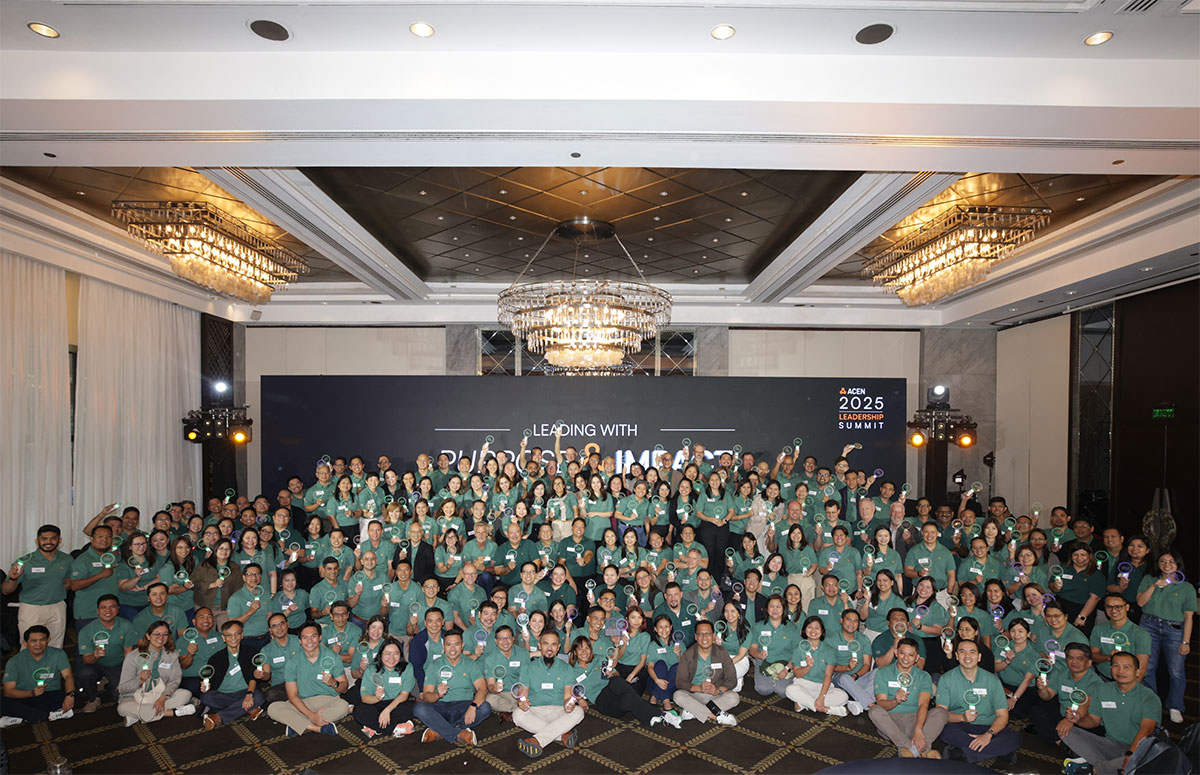
At the 2025 ACEN Leadership Summit, we launched the ACEN Leadership Code which frames leadership through how we behave and make decisions in line with our values to drive sustainable impact and shared success.
We recognize that a successful energy transition entails a capable workforce that is aligned with our overarching aspiration of a sustainable future. Our approach to talent acquisition is anchored on attracting professionals who are purpose-driven, values-aligned, and capable of supporting long-term, sustainable growth. Our talent acquisition team plays a vital role in building a capable, inclusive workforce that supports our renewable energy ambitions while upholding responsible employment practices and long-term organizational resilience.
We prioritize hiring talent for roles and skills critical to the development, construction, and operation of renewable energy assets, as well as leadership and specialized functions that strengthen organizational resilience. Focused hiring for these critical roles is enabled through regular engagement and coordination with business units.
We adopt a balanced approach to talent resourcing by supporting internal career progression while selectively sourcing external talent to bring in new capabilities. We aim to ensure a fair, transparent, and values-driven candidate experience across all roles and locations for our recruitment processes.
Through this disciplined and forward-looking approach, we ensure that our workforce remains future-ready and equipped to support our long-term goals.
To operationalize our approach, we implemented several initiatives aimed at building a sustainable talent pipeline:
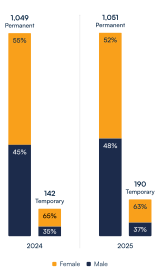
In 2025, our total headcount reached 1,241, a 4 percent increase from the previous year. Women account for 48 percent of our workforce —significantly higher than the global average of 32 percent in the renewable energy sector, based on a 2025 study by the International Renewable Energy Agency (IRENA).
To support our expanding pipeline, we hired 315 permanent employees, of whom 41 percent are female and 59 percent are male. In terms of age group, 35 percent of new hires are under 30 while 65 percent are aged 30 and above, reinforcing a diverse, gender-balanced, and multi-generational workforce that supports long-term resilience.
We prioritize internal mobility by seeking to fill roles from within wherever possible, enabling employees to grow their careers while retaining institutional knowledge and strengthening leadership pipelines. At ACEN Australia, for example, 33 percent of open positions were filled by internal candidates.
We also monitor turnover as a key indicator of the effectiveness of our employee engagement and development programs. In terms of retention, voluntary turnover in 2025 was 9 percent compared to 11 percent in the previous year, demonstrating improved employee satisfaction, stronger engagement, and the positive impact of our people-focused initiatives.
Employee headcount
Growth and development
Our development framework is anchored on the 3Es of learning: education, exposure, and experience. Education (30 percent of the learning strategy) focuses on formal learning to strengthen employees’ technical knowledge and skills, while exposure (20 percent) emphasizes social learning through collaboration with peers and experienced professionals. Experience (50 percent), the core of the framework, prioritizes hands-on, on-the-job opportunities to lead and deliver meaningful work. Together, these pillars provide a holistic and effective approach to skills development and personal growth.
In 2025, we invested an estimated ₱42 million in learning and development to strengthen employee capabilities and prepare the workforce for future challenges. Our employee training satisfaction scores consistently maintain a minimum score of 4 out of 5, reflecting strong employee engagement and program effectiveness.
Our learning and development programs also reinforce our commitment to diversity, equity, and inclusion by providing broad access to essential training. Core compliance and regulatory programs are extended to part-time employees and contractors, covering areas such as occupational health and safety and our Code of Conduct.
Our learning programs in 2025
Leadership development
Programs offered
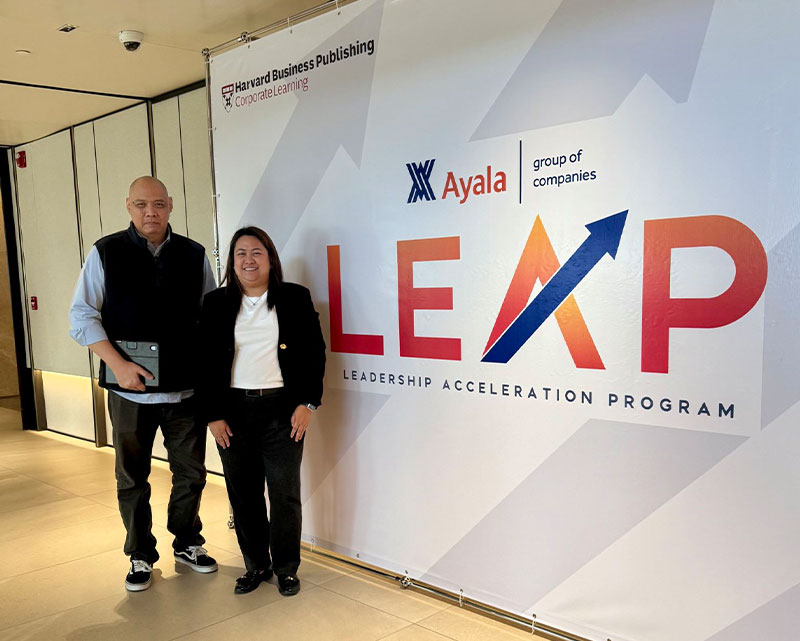
*Select programs are delivered in partnership with globally recognized institutions, including Harvard University.
Objectives
To strengthen self and people leadership capabilities
Coverage
Managers and above
2025 results
Conducted 15 sessions attended by 110 employees
Functional and
specialized training
Programs offered
*Programs listed are a few examples
Objectives
To develop competencies related to functions/roles
Coverage
Select employees
2025 results
Conducted ~150 targeted trainings attended by ~750 employees
Early career and
talent pipeline
Programs offered
*These programs allow college and
graduate students to engage in
day-to-day operations and develop
leadership skills
Objectives
To develop technical skills and leadership capabilities
Coverage
Undergraduate and graduate students
2025 results

Educational support
Programs offered
*Programs are available to eligible full-time
employees, with options for full or partial
sponsorships
Objectives
To provide educational leaves, loan assistance, and sponsorships for enhanced learning
Coverage
Eligible full-time employees who meet performance, conduct and tenure requirements
2025 results
Provided support for MBAs for chosen high-performing employees
Continuous learning
Programs offered
*All employees have access to courses,
certifications, and learning events that
build practical knowledge
Objectives
To provide opportunities for learning on company-related knowledge and skills
Coverage
All employees
2025 results
Targeted programs
We strengthened our commitment to employee development through targeted learning programs addressing identified skill and competency gaps, with over ₱20 million invested in 2025 to build future-ready leaders. These initiatives, spanning technical and leadership development, are offered at all career levels and supported by the learning and development team to ensure access to relevant, supervisor-approved training. Total learning hours on targeted programs increased by an estimated 6,900 hours, reflecting strong employee engagement and alignment with our strategic priorities, with programs continuously refined through post-training feedback.
Our targeted programs are organized into three categories:
|
Functional |
Strengthens core competencies in areas such as health and safety, operations, regulatory, and finance |
|---|---|
|
Specialized |
Builds technical and operational expertise in fields including project management, engineering, and business development |
|
High-potential |
Prepares future leaders through leadership development programs |
Program delivery is supported by leading local and global institutions. Technical and department-focused training partners include EnergyEdge, Project Management Institute, Institute of Internal Auditors, Corporate Finance Institute, and Association of Structural Engineers of the Philippines, while enterprise and leadership programs are delivered in partnership with institutions such as the University of the Philippines, National University of Singapore, IESE Business School – Universidad de Navarra (IESE), Massachusetts Institute of Technology, INSEAD, PeopleStrong, and LinkedIn Learning.
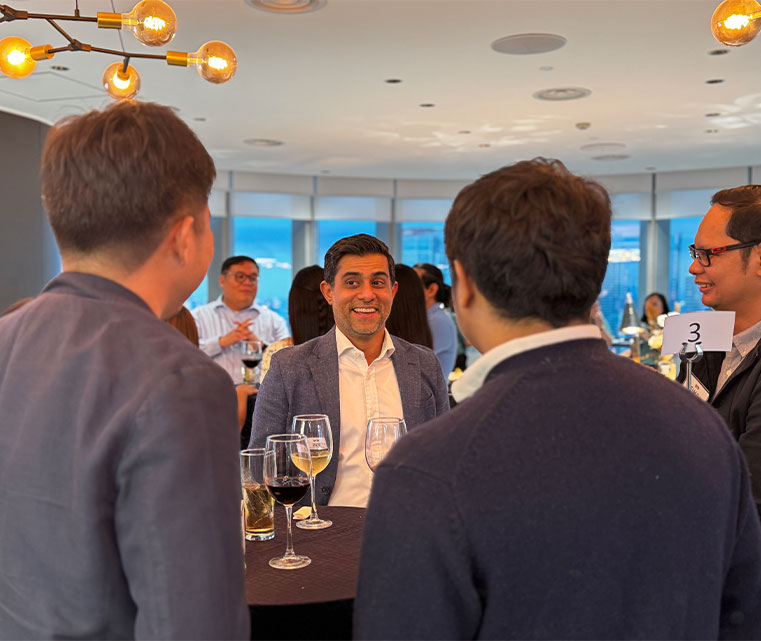
New hires at ACEN are given the opportunity to connect directly with our leaders, fostering open dialogue, shared purpose, and alignment from day one.
Talent pipeline development
Our talent pipeline development strategy is anchored on the 6Bs framework. Build, Boost, and Bounce focus on developing employees through education, exposure, and experience; advancing high-potential talent; and managing underperformance to enable clear career pathways. Complementing these are Buy, Borrow, and Bind, which strengthen the organization’s ability to attract external talent, leverage specialized expertise, and enhance retention. Together, these strategies support the continuous development of future-ready leaders and a robust talent pipeline.
To ensure consistency, we have implemented a unified Talent Management Playbook and Succession Policy across the group, aligned with Ayala Corporation’s leadership development and succession standards to support long-term organizational continuity.
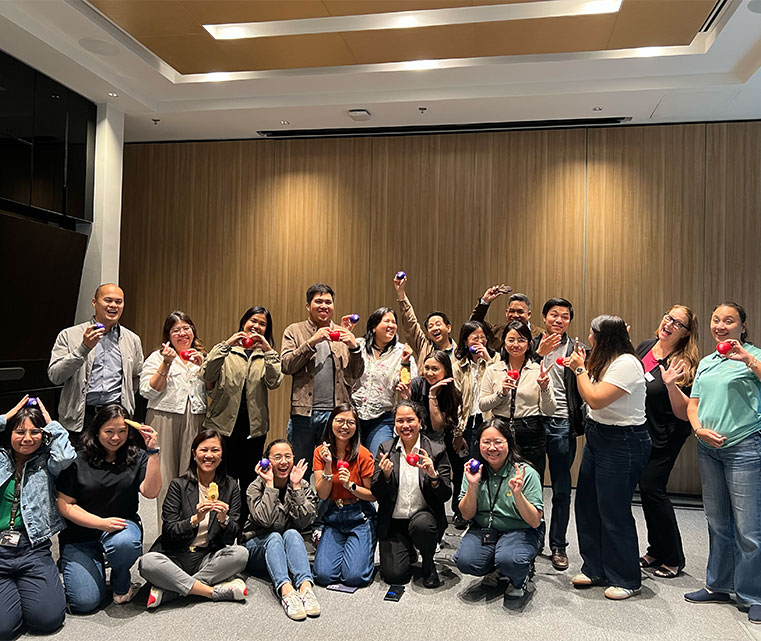
Personify Leadership Program
To equip leaders and emerging leaders with practical tools for personal effectiveness and team empowerment, we partnered with Personify Leadership, a global experiential-based leadership development company.
Together, we piloted a two-day, high-intensity workshop that provided comprehensive leadership development across eight core competencies. The program blends experiential simulations, case studies, and reflection exercises, helping participants lead with intention, accountability, and empathy.
Aligned with the ACEN Leadership Code, it simplifies complex leadership competencies into actionable behaviors for everyday impact. The pilot phase is currently underway, with 40 participants in the initial program. A full rollout is scheduled for implementation in 2026.
Succession planning
Our Succession Policy ensures leadership continuity and organizational resilience through a structured approach to identifying, developing, and preparing internal talent for critical roles. By integrating succession planning with performance management, talent reviews, and leadership development, we strengthen our leadership pipeline to support long-term strategic and sustainability goals.
Our succession planning process
Identification of critical roles essential to business continuity and growth
Alignment of leadership requirements with business strategy to define key capabilities for success
Sourcing of successors through talent reviews, with each critical role supported by Emergency, Ready Now, and Ready Later candidates
Development of successors through stretch assignments and cross-functional exposure, complemented by ongoing career conversations that clarify expectations and development pathways.
Engaging successors with career conversations to outline career paths, set expectations and align their development plans with organizational goals
Regular review of successors’ progress
Internal mobility
Our internal mobility strategy empowers employees to take ownership of their development and pursue opportunities within the organization. Guided by business priorities and strategic workforce planning, internal movements ensure talent is deployed where it delivers the greatest impact.
Through lateral moves, stretch assignments, and leadership rotations, we foster a culture where mobility is essential to building a future-ready workforce. Managers and HR Business Partners support this journey through ongoing career conversations, development planning, and transparency around opportunities, creating a workplace where growth is continuous, purposeful, and aligned with our mission.
Employee engagement and support
We recognize that our success as an organization is driven by our people. As such, we strive to cultivate a workplace where employees feel engaged, inspired, and supported.
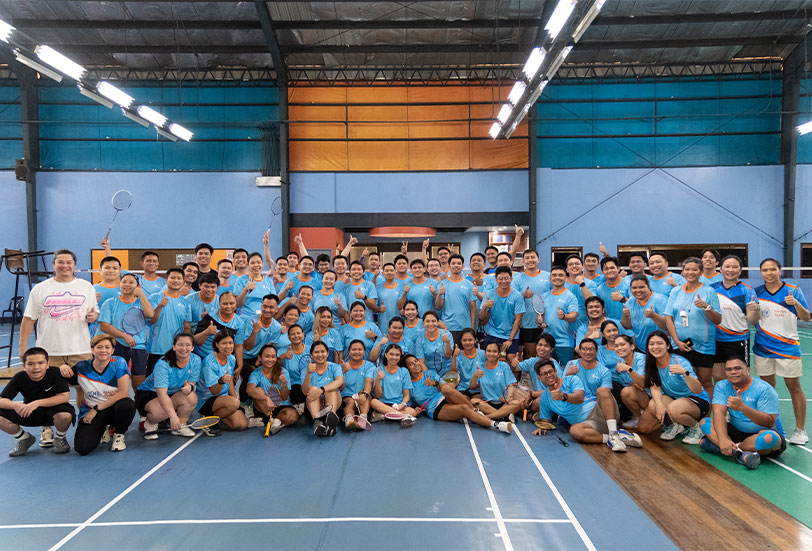
Employees regularly come together for sports and wellness activities—including badminton, one of the Special Interest Groups in 2025—to stay active, build camaraderie, and strengthen connections beyond the workplace.
Through the following initiatives, we continue to support our employees’ well-being and ensure alignment on our shared purpose:
ACEN People Committee
The ACEN People Committee, composed of representatives from across business units, champions employee engagement in partnership with HR. This committee ensures programs reflect our culture and values while amplifying mployee voices and fostering dialogue on Diversity, Equity, and Inclusion (DEI) and well-being. In the absence of an independent trade union, it serves as our internal representative body for employee feedback.
MyHR Platform: HR Integrated System Technology Platform
MyHR, powered by SAP SuccessFactors, is our centralized HR system that streamlines employee data, timekeeping, payroll, benefits, performance management, learning, and succession planning. By integrating these processes into one platform, it enables HR to focus on strategic priorities and employee engagement while improving operational efficiency.
Atletang Ayala
Atletang Ayala supports emerging Filipino athletes in their journey to the 2028 Olympics. We continued supporting taekwondo para-athlete Allain Ganapin and national fencer Sammuel Tranquilan, who both work part-time at ACEN. Sammuel also competed in the 33rd SEA Games, securing two bronze medals for the Philippine fencing team.
Well-being programs
Employee engagement events in 2025
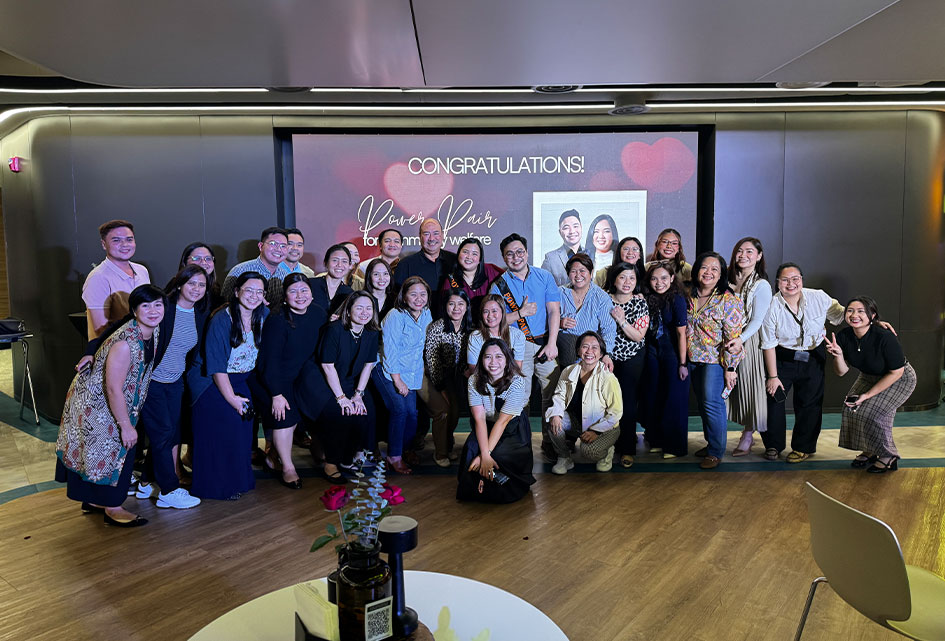
What began as a Valentine’s initiative became a force for good, as our Power Pair campaign brought employees together to advocate for social development initiatives and raise ₱284,000 for our communities.
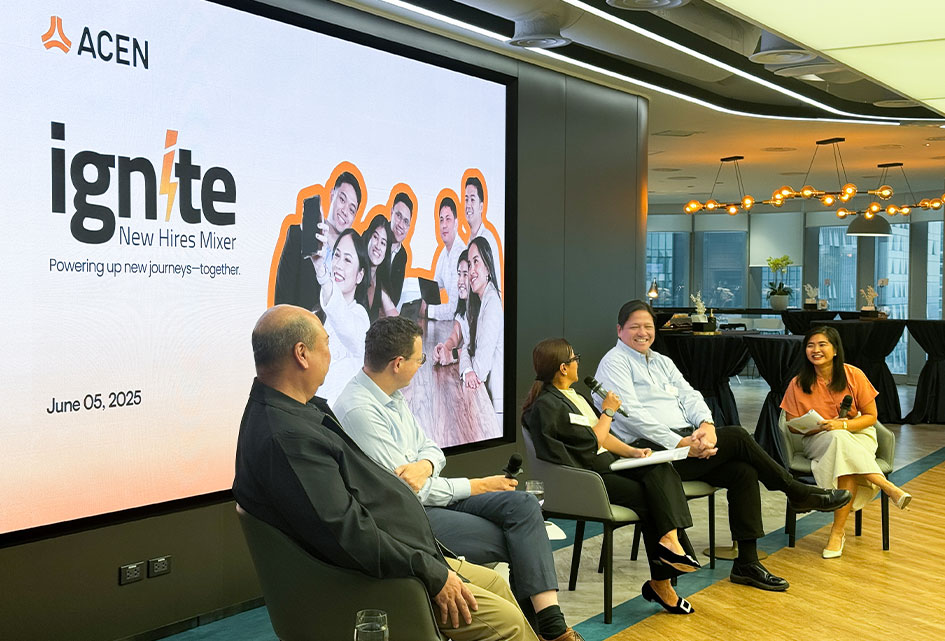
“Ignite” brings newly hired colleagues and ACEN leaders together to build early connection, belonging, and alignment with our company purpose.

tACbo combines fitness and purpose, with over 100 ACEN employees coming together in support of education, contributing to the Ayala group’s collective ₱6.2 million raised for CENTEX education programs.
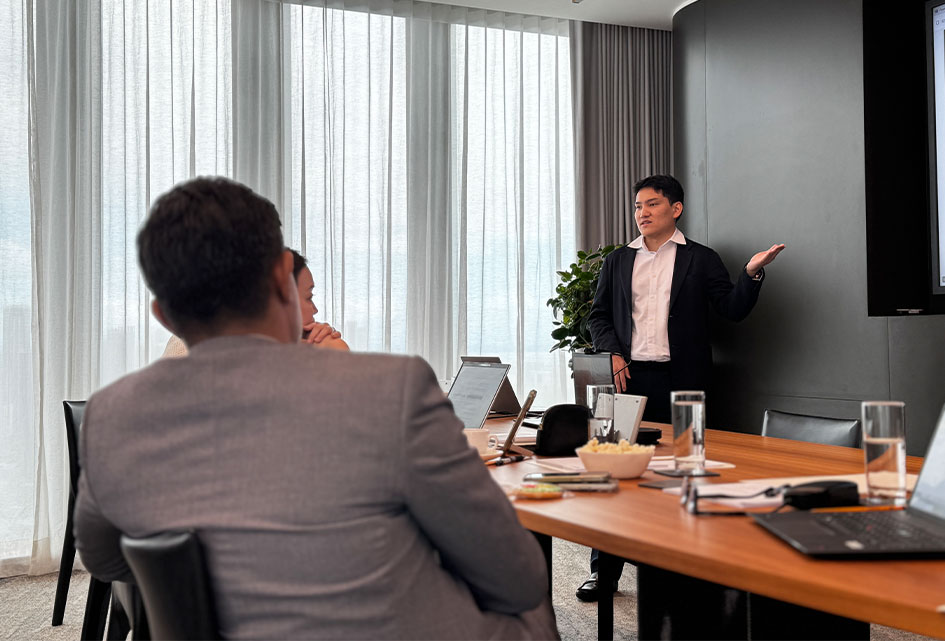
“Power Pitch: The Hackathon” empowers employees to develop innovative, purpose-driven engagement programs aligned with our shared promise to unlock more – for ourselves, our communities, and the planet.
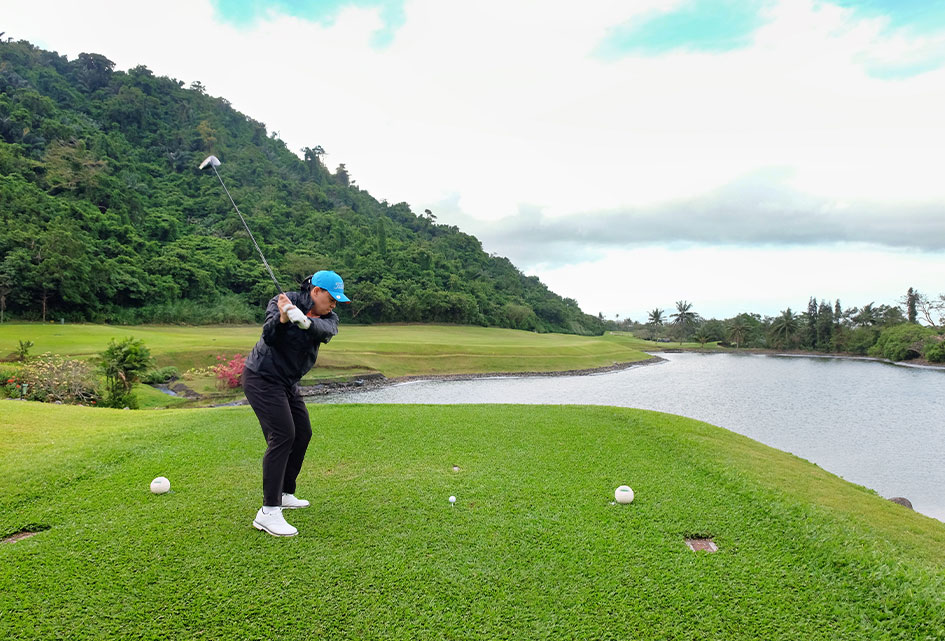
We participated in the JZA Cup, fielding teams in golf, volleyball, and bowling to connect Ayala group employees through a group-wide sporting event.

Jessa Marie Libres, an intern at ACES, won the Bronze medal at the Atletang Ayala World Pole Vault Challenge.
Employee engagement survey
At ACEN, employee feedback plays a central role in shaping a better workplace experience. We regularly conduct employee surveys to assess alignment with company goals, access to resources, collaboration, and motivation, using these insights to drive initiatives that strengthen engagement and satisfaction.
Every two years, we participate in the Ayala Engage Survey, an independently administered Ayala group-wide assessment that measures sustainable engagement across business units and job levels. In the most recent survey, we achieved an engagement score of 92—exceeding the Global High Performance norm developed by Willis Towers Watson (WTW), with strong results in goal alignment, resource availability, and team synergy. In 2025, the survey recorded a 92 percent participation rate from 1,150 respondents, reflecting employees’ active involvement in shaping the organization’s culture and future.
To further support timely action, we also conducted quarterly Employee Pulse Surveys focused on well-being, leadership, inclusion, and career development. Results are analyzed by business unit and role level to enable targeted responses. Through these efforts, we continue to strengthen our culture of engagement and continuously enhance the employee experience.
Diversity, equity, and inclusion
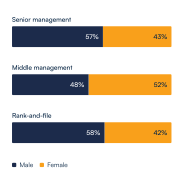
We are committed to building a culture that supports all employees and promotes inclusion, well-being, and development. Our policies are grounded in Diversity, Equity, and Inclusion (DEI) principles, ensuring that every employee feels seen, heard, and valued as part of our overall employee experience. This commitment is reflected in our gender representation across all levels, with women comprising 45 percent of senior management, 53 percent of middle management, and 44 percent of rank-and-file employees, demonstrating strong female participation throughout the organization.
In 2025, we enabled our DEI agenda through a variety of programs that celebrate identity, promote equity, and build community.
Gender diversity
43%
Women in leadership roles
Ayala Inclusive Circle
As part of Ayala Group’s DEI Commitment, the Ayala Inclusive Circle creates safe spaces for authenticity, vulnerability, and open dialogue across the Ayala Group, fostering belonging and connection through shared experiences. ACEN employees participated in three sessions: “Working with Cancer,” supporting employees and caregivers navigating cancer; “Glass Ceilings and Stained Glass Windows,” exploring women leaders’ lived experiences and informing inclusive policymaking; and “Pride and Allyship,” providing a safe space for LGBTQIA+ employees and allies to strengthen solidarity and psychological safety.
Energy Circles (Women’s Month Edition)
We launched Energy Circles, our version of Inclusive Circles, as safe spaces for authenticity and open dialogue. Each session begins with storytelling, where participants share experiences to build belonging and psychological safety. Our sessions included “Life Timelines and Deadlines” and “The Power of Being You”, encouraging reflection on societal expectations and authentic self-expression at work.
Cultural Sensitivity Workshop: Building cultures across ACEN
Our workshop equipped participants with strategies to navigate cultural differences, strengthen cross-cultural communication, and resolve cultural workplace conflicts across the ACEN group. Through group activities, employees shared experiences of intercultural misunderstandings and explored Western and Eastern work styles, using select case studies to address miscommunications.
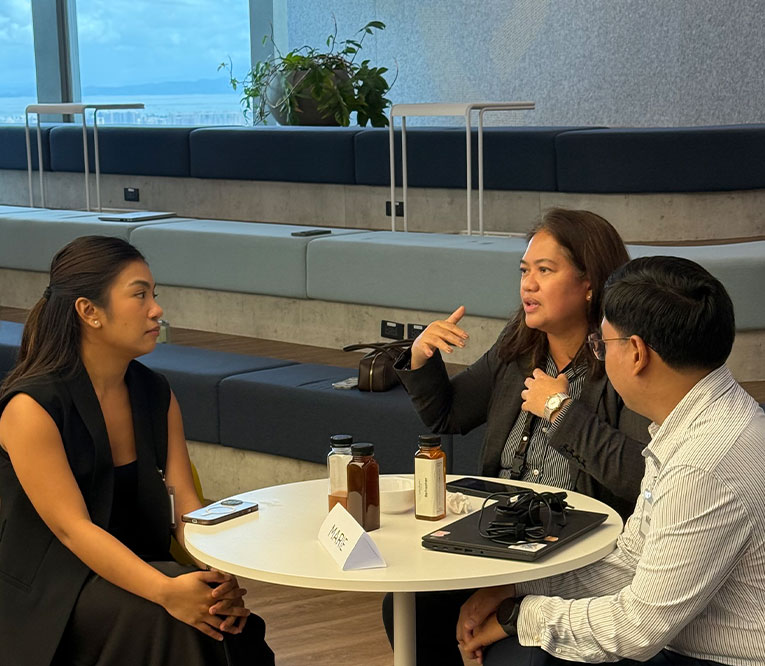
Our mentorship program includes 14 active women mentors, representing 41 percent of the total mentor pool. Additionally, 46 out of 80 mentees are women, accounting for 57.5 percent of participants.
Improving representation and pay equity
We continue to monitor gender pay equity across all levels of the organization. At the non-managerial level, female employees earn on average 3 percent more than their male counterparts, reflecting a relatively balanced pay equity at entry and mid-level roles. At the managerial level, we note that male employees earn around 7 percent more than female managers. Meanwhile, at the top executive-level, male executives earn 27 percent more than their female counterparts.
This trend suggests that while gender pay differences are minimal, and even slightly favorable to women in non-managerial positions, the disparity grows progressively with seniority, becoming most pronounced in leadership roles. Contributing factors include differences in career progression rates, the higher proportion of men in senior level positions, representation in critical or revenue-driving roles, and the influence of pay-setting practices at upper organizational levels. We benchmark to guide future DEI targets and metrics, while embedding DEI principles into engagement programs, leadership development, and talent retention strategies.
Grievance reporting
Our approach to grievance handling and remediation aims to respond promptly to any actual or potential adverse human rights impacts affecting individuals, workers, and communities that we may cause or contribute to. Regardless of the reporting channel or severity of the issue, we treat all incidents seriously and handle all cases with professionalism and confidentiality, ensuring the needs of all parties are respected.
Employees are encouraged to raise concerns or report suspected misconduct through Speak Up Safely, the company’s official whistleblowing platform. This secure and confidential channel is accessible through both the ACEN website and the myHR platform, HR’s central hub for employee services. Awareness of Speak Up Safely is reinforced through compulsory governance training modules hosted on myHR including Anti-Sexual Harassment, Safe Spaces Act, and Anti-Bribery and Corruption courses. In 2025, we successfully resolved and closed 77 percent of the cases reported through these channels, with the remaining cases currently under investigation.
Reports are received by an independent third-party team from Deloitte and escalated based on severity and nature of the concern. Cases involving potential violations of law, Code of Conduct, or workplace safety are routed to Legal, Governance, and Compliance for investigation, with HR looped in for employee-related matters. All reports are treated confidentially and may be submitted anonymously.

Through Speak Up Safely, employees can report suspected misconduct anonymously.
To ensure that every concern is handled with fairness and integrity, we established a Committee on Decorum and Investigation (CODI), an independent internal grievance mechanism responsible for investigating cases of gender-based sexual harassment. It consists of members from senior management, supervisors, and rank-and-file employees, with at least half of its members being women. The Committee upholds impartiality, ensures due process, and protects the rights of all parties involved.
In the recent Safety Culture survey we conducted, results showed that we exhibit a broadly positive culture characterized by trust, teamwork, and respectful interactions. Both quantitative and qualitative data confirm our strengths in open dialogue, recognition, and strong peer support. These insights provide a strong basis for continued cultural growth and leadership focus.
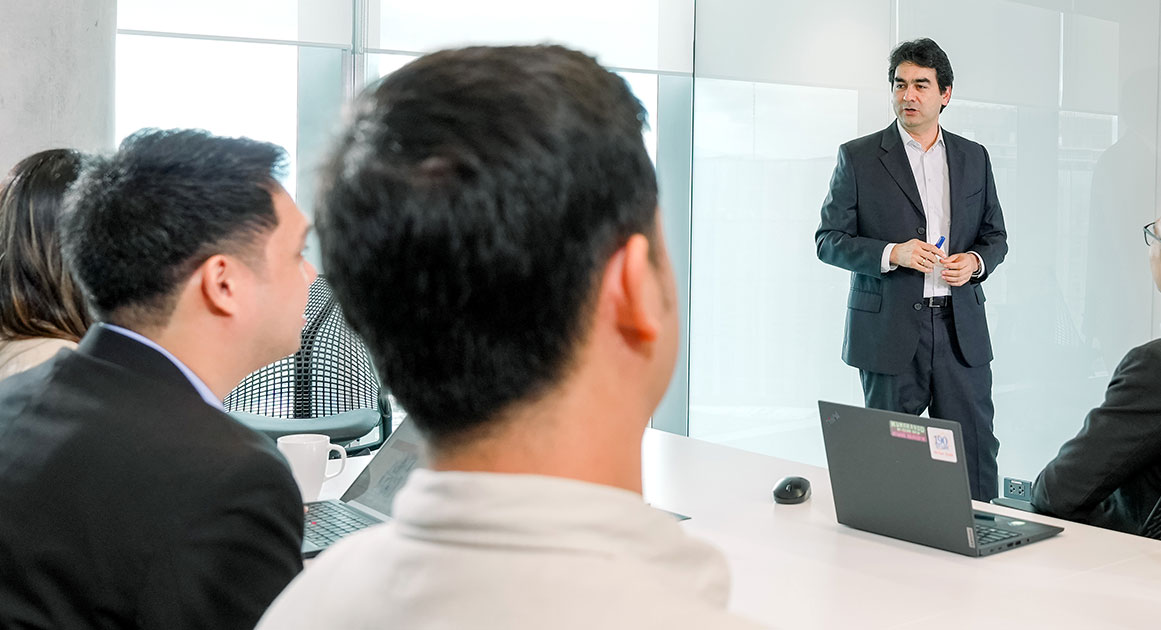
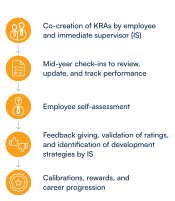
We conduct annual performance appraisals to help employees stay aligned with their KRAs, track progress, and continuously raise the bar on performance.
Performance
assessment
Our performance appraisal process is a structured framework designed to evaluate and enhance employee performance while ensuring alignment with organizational goals. Conducted annually, it integrates continuous feedback, development planning, and final evaluation to ensure fairness, transparency, and engagement. It serves as a basis for recognizing achievements and supporting career growth.
Performance evaluation and rewarding
The Key Result Areas (KRAs) constitute the largest share of an employee’s overall performance evaluation. Beyond metrics, a percentage of the evaluation is dedicated to development planning, supporting employees in enhancing employee competencies and advancing their careers in accordance with our learning and development framework. Employees are also evaluated based on how they embody our core values: Aspire, Believe, Collaborate, and Deliver.
100 percent of our employees receive regular performance reviews. Employees are rewarded in the form of career advancement, merit increases, performance bonuses, and learning opportunities based on the outcome of their performance appraisal and company performance.
By integrating clear goals, regular feedback and structured evaluations, our performance appraisal process not only measures results but also opens opportunities for career growth.
Our annual performance assessment process
Compensation and benefits
Our compensation philosophy ensures market-competitive, legally-compliant remuneration, with pay decisions linked to individual and company performance against defined KRAs, regardless of gender. Salary adjustments, benefits, and rewards reflect both company and individual performance, complemented by variable pay through performance-based bonuses awarded throughout the year.
We regularly benchmark salaries against local and multinational peers, primarily within the energy sector, taking a holistic view of total remuneration. We also monitor regulatory advisories to ensure compliance with minimum wage, overtime, and other labor standards.
Compensation and cash benefits are complemented by a competitive employee benefit package that supports employees’ financial and personal well-being.
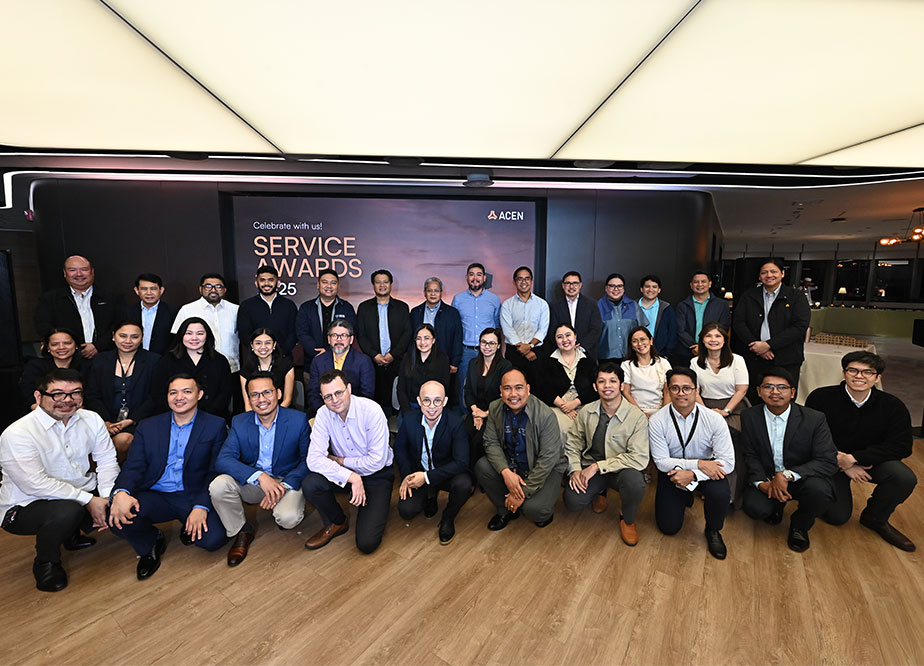
Honoring commitment and impact, we recognized 24 Service Awardees for their years of dedication and 7 Power Pitch Hackathon winners for their transformative ideas.
Our ACEN Cares program provides several offerings to full-time employees:
Our medical and wellness benefits support employees’ overall well-being through subsidized activities and sponsorships for professional or organizational memberships. Project-based employees are provided with medical, life, and accident insurance, as well as service incentive leaves.
As part of our commitment to DEI, our health insurance coverage is extended to common-law and LGBTQIA+ partners. Dependent coverage has also been expanded to include in-laws, nieces, and nephews.
In 2025, we streamlined health, life, and accident insurance coverage for plant employees under a single provider, simplifying access,
and improving coordination of benefits. By continuously enhancing our compensation and benefits framework, we aim to attract, retain, and motivate high-performing talent while strengthening organizational resilience.
Under the ACEN Cares program, we joined the #WorkingWithCancer pledge to help end the stigma of cancer at work.
Long-term incentives
As part of our retention program, our reward system includes long-term, equity-based incentive plans designed to motivate senior leaders and key employees to deliver sustained high performance and achieve three-year targets on growth, total shareholder return, and ESG performance.
Under these plans, rewards are granted as performance shares to eligible executives and key employees following the completion of each performance cycle. The shares are subject to a three-year vesting period, with awards determined by overall performance against committed targets and governed by senior management, the Personnel Compensation Committee, and the Chairman of the Board.
In 2024, we implemented a Defined Contribution (DC) Plan under the amended ACEN Multi-Employer Retirement Plan. Employees may voluntarily contribute a portion of their monthly basic salary, complemented by employer contributions based on a defined percentage.
We further support employee ownership through our Employee Stock Ownership (ESOWN) Plan, under which shares were granted to qualified executives in 2021, 2022, and 2025, with 30 grantees currently subscribed. In addition, 44 executives participate in the Long-Term Incentive Performance Shares Plan (LTIP PSP), which provides contingent rewards based on the achievement of long-term milestone goals over a three-year performance cycle. The first LTIP cycle was granted in 2023, while the second cycle was granted in 2025.
Performance shares under the LTIP PSP are released in stages to promote retention and sustained performance, with 70 percent vested in the first year following the cycle, 20 percent in the second year, and 10 percent in the third year.
Sustainability at the workplace
We integrate environmentally responsible and employee-centered features across our workplaces, recognizing that sustainability must be practiced in our offices. We aim to create work environments that reflect our vision and values while supporting employee well-being, productivity, and engagement.
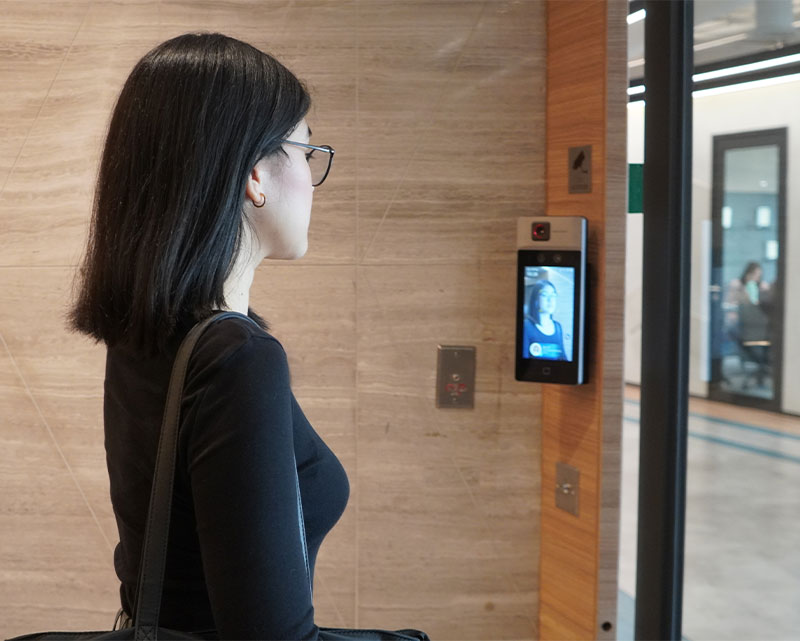
Employees can access the main entrance conveniently and efficiently thanks to innovative biometrics technology. The no-touch, facial recognition system helps ensure public hygiene as employees go to the office.
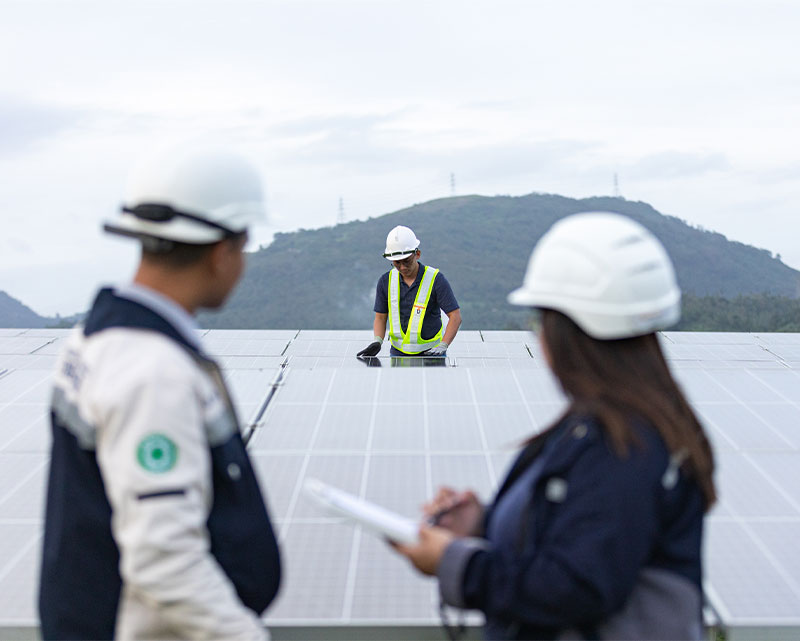
Employees can access the main entrance conveniently and efficiently thanks to innovative biometrics technology. The no-touch, facial recognition system helps ensure public hygiene as employees go to the office.

At Stubbo Solar in Australia, we have installed two EV charging stations to encourage the use of electric vehicles among employees.
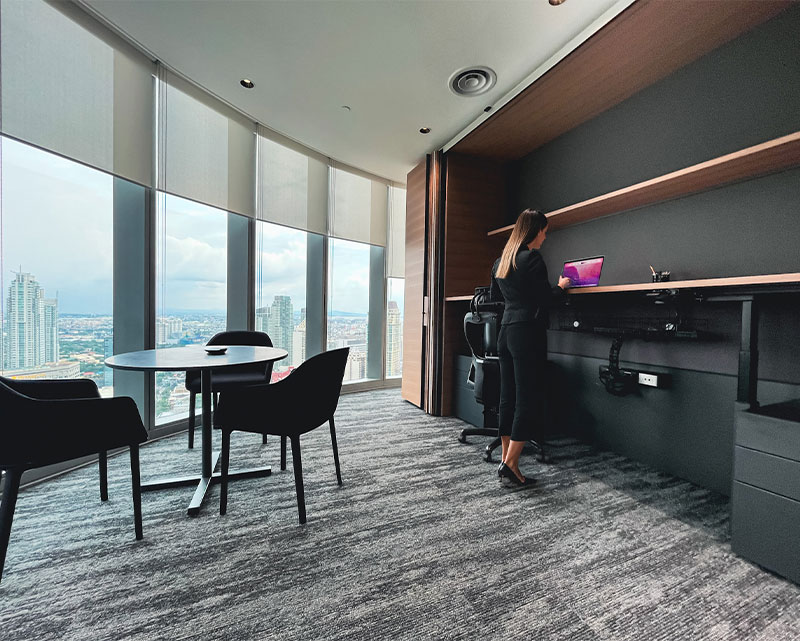
Executive offices at ACEN’s headquarters in the Philippines are equipped with adjustable desks, supporting a more ergonomic workplace.
At our offices, features such as water-saving faucets, and motion-sensor lighting reduce resource consumption. Indoor plants enhance air quality, while ergonomic workspaces support employee well-being. Thoughtfully designed amenities—including gender-neutral restrooms, nursing and lactation rooms, shower facilities, and enclosed phone booths—create inclusive, and efficient workplaces.
At our plant sites, we provide safe, reliable access to work through shuttle services, and daily meals at cafeterias to support workforce well-being. We also closely monitor heat index and noise levels to safeguard employee health and safety. Annual heat stress management training is conducted to strengthen preparedness and resilience.
Health and safety
We are committed to ensuring a safe and healthy working environment for all personnel and continuously striving for high standards of labor practices and occupational health and safety.
In compliance with local laws and alignment with internationally recognized best practices, we promote a strong, organization-wide safety culture through the implementation of a robust health and safety management system, establishment of safety indicators and performance targets, and close collaboration with employees, partners, and contractors.
Leadership commitment to health and safety is demonstrated at the Board level, with health and safety forming a regular part of the Board’s agenda, enabling active engagement, strategic direction, and accountability across the organization. This is reinforced at the executive level, with our chief executive officer and chief risk officer mandated to oversee, guide, and cascade clear expectations on employee responsibilities for managing health and safety risks and issues across the organization. The corporate-level Health, Safety, Security, and Environment (HSSE) team manages health and safety efforts across the organization and works closely with operating site and project-level HSSE officers to integrate health and safety practices throughout all project phases, from development to operations.
15.9 million
Safe man-hours
~73,600
Safety training hours
Health and Safety Management System
To ensure adherence to our HSSE Policy, compliance with relevant laws, and the continuous improvement of our health and safety performance, our Health & Safety Management System (HSMS) Framework was developed and approved by the Board in 2025, establishing a structured approach to managing occupational health and safety risks and opportunities across all operating and project sites.
Our HSMS Framework was developed based on the ISO 45001:2018 (Occupational Health and Safety) guidelines and implemented in accordance with local standards and international industry best practices. The framework establishes minimum requirements under twelve core elements, including leadership accountability, risk management, contractor safety management, training and development, emergency management, incident reporting and investigation, and assurance.
Following the deployment of the framework, all sites under construction and in operation conducted a self-assessment to identify gaps and corresponding action plans. These will be verified and validated by the corporate HSSE team in 2026 to ensure consistent implementation and compliance across the organization.
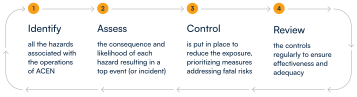
Health & safety risk management process
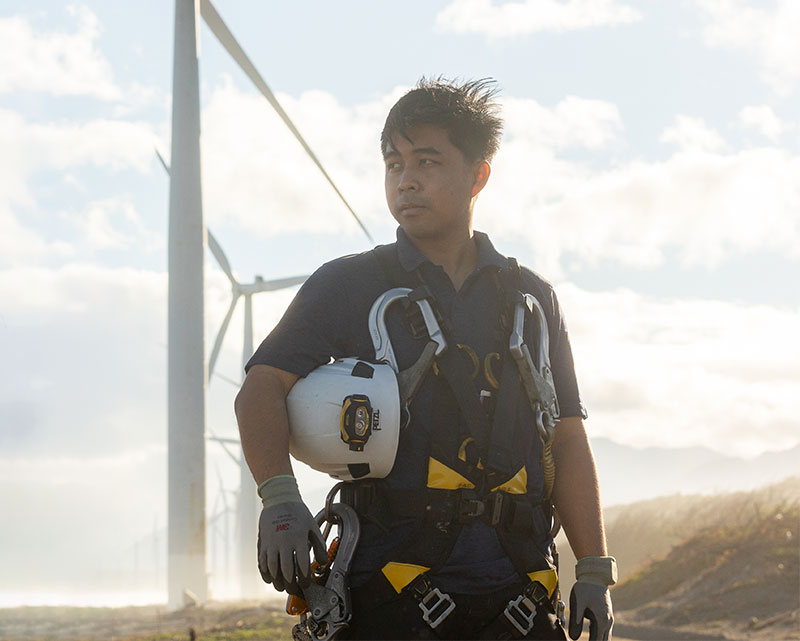
We reinforce a strong safety culture through rigorous training programs that sharpen skills and empower our workforce to perform at their best safely.
Risk assessment
and mitigation
Recognizing the inherent exposure to occupational hazards arising from the nature of our operations, we apply a structured risk management process to systematically identify, assess, and mitigate risks associated with our business activities.
We review and update the risk register at least annually to ensure continued alignment with operational conditions and regulatory requirements. Priority is given to the development and implementation of protocols for activities associated with fatal risks, including work at heights, energized systems, moving equipment, and lifting and excavation activities. Targeted initiatives are implemented to effectively address and manage these high-risk activities.
Incident management
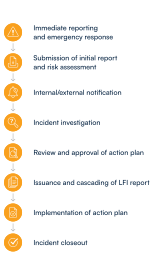
Our procedures for incident reporting, investigation, and prevention enable timely and accurate reporting of incidents, including unsafe acts and hazardous conditions. They also ensure the appropriate level of investigation and support the implementation of corrective and preventive actions to prevent recurrence. The process applies to all locations where we have operational and development activities and covers employees, contractors, subcontractors, and suppliers.
All incidents are required to be reported within 24 hours of occurrence. To facilitate smooth coordination with internal and external parties, including government agencies, we follow an incident command system for emergency response or incident management. We deploy incident commanders to ensure safety on-site, communication of relevant information to stakeholders, and liaising with other parties to manage the incident.
We investigate incidents using internationally recognized methodologies such as the 5 Whys and Incident Cause Analysis Method (ICAM). As part of the incident closeout, we issue Learnings from Incidents (LFI) and conduct learning sessions with relevant stakeholders. We also analyze data from incident investigations to identify trends and insights to determine appropriate health and safety initiatives.
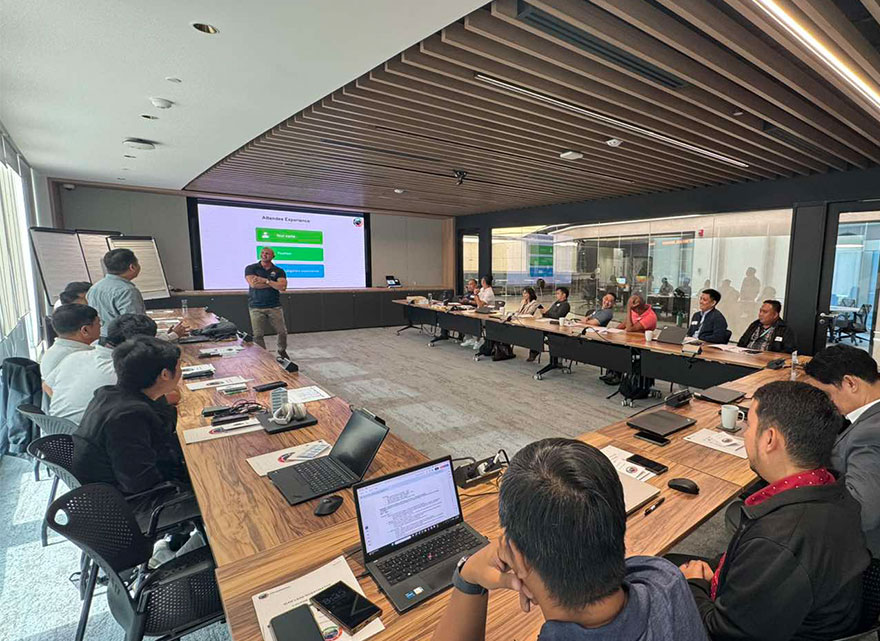
In 2025, we conducted ICAM training courses for 33 officers and managers to equip them with the tools and mindset needed to identify systemic causes, and to recommend practical, sustainable corrective actions.
Incident reporting and investigation process
Ensuring contractor safety
We are committed to applying the same standards and practices to all our projects to promote the health and safety of all individuals working on our behalf – our employees, contractors, subcontractors, and other business partners. Given the significant role contractors play across our project development, construction, and operational activities, we work closely with contractors to manage risks, strengthen safety performance, and foster a shared responsibility for maintaining a safe nd healthy workplace across our sites.
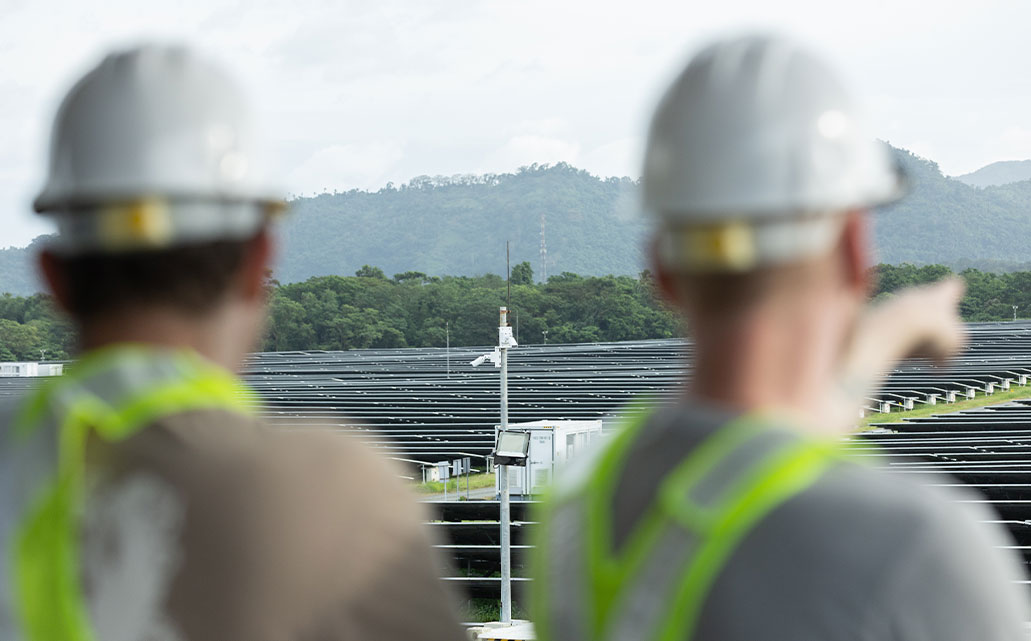
Across our sites, contractors and subcontractors follow the same health and safety standards as our employees, ensuring we keep a safe workplace as we deliver our renewable energy projects.
We promote the safety of our contractors through:
Building a safety culture
We recognize that continuous training and awareness-raising are essential to building and sustaining a strong safety culture across the organization. We conduct management field visits (MFVs) to demonstrate leadership commitment, assess the effectiveness of health and safety measures, and drive improved safety performance on site. We also conduct regular internal and external audits to verify compliance, identify gaps, and support continuous improvement of our health and safety management system.
We conduct general and targeted trainings to strengthen workforce capability and address key risk areas across our operations. General trainings focus on building foundational knowledge on incident management, investigation, and safe work systems, while targeted trainings are designed to mitigate critical health and safety risks associated with high-risk activities. These targeted interventions are aligned with identified risk hotspots and aim to reduce incident occurrence by equipping workers with the specific competencies required for their tasks.
General trainings
Targeted trainings

We reinforce a strong safety culture through rigorous training programs that sharpen skills and empower our workforce to perform at their best safely.
All employees are required to complete a general health and safety orientation to establish a strong foundation of safety awareness and responsibility. We also utilize e-learning modules to cascade trainings, including permit-to-work, safe work intervention, and risk management.
In 2025, we delivered a total of 73,591 safety training hours, representing a 70 percent increase from the previous year and underscoring our continued commitment to continuous learning and the enhancement of health and safety practices across the organization.
Creating a psychologically safe workplace
We believe psychological safety is fundamental to a strong safety culture, empowering our people to speak up and look out for one another without fear of retaliation. To understand the baseline state of psychological safety and workforce sentiment among employees and selected contractors, in 2025, we conducted our first formal Safety Culture Survey with GYST Consulting. It combined quantitative measures with Artificial Intelligence (AI)-enabled qualitative questions to capture insights on psychological safety, trust, and everyday behaviors that influence safety outcomes.
With more than 1,300 participants and an 86 percent participation rate, the results show that we enable a workforce that promotes open dialogue, collaboration, learning, and a strong intent to do things the right way. Insights from the survey provide a robust foundation for continued engagement and identification of opportunities for improvement.
We will conduct targeted post-survey engagements to address gaps, embedding consistent leadership behaviors across the organization, and deploying regular pulse surveys to track progress and sustain long-term cultural change.
CareFactor Safety Maturity Ladder
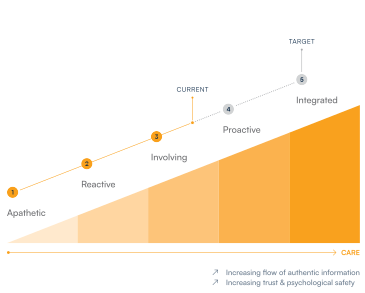
We will conduct targeted post-survey engagements to address gaps, embedding consistent leadership behaviors across the organization, and deploying regular pulse surveys to track progress and sustain long-term cultural change.
Protecting people,
enabling performance
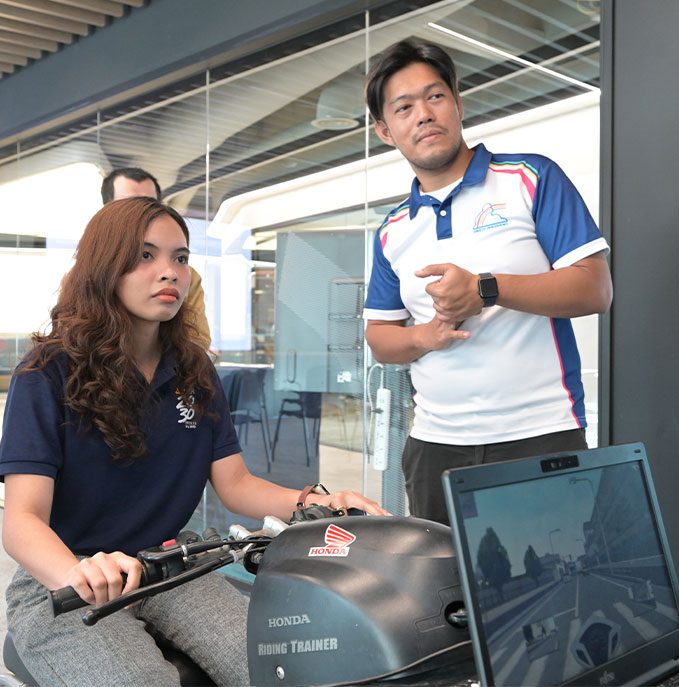
During World Safety Day 2025, we set up different activities such as road safety driving simulation for employees to reinforce the importance of safe driving.
Annually, we set health and safety targets based on industry standards to continuously drive safety improvements across the organization. These targets are cascaded down to the plant level to promote accountability and shared responsibility, driving consistent implementation and performance across all sites.
As a result of our 2025 initiatives, including the rollout of the HSMS framework, the delivery of targeted training programs to address high-risk health and safety activities, and an increased focus on contractor safety, we achieved our targets for total recordable injury rate (TRIR) and lost time injury frequency rate (LTIFR).
We have also established 3-year reduction targets until 2028 to promote prevention of fatalities and injuries and support long-term safety excellence.
While we are tracking lagging indicators such as TRIR and LTIFR to benchmark organization-wide performance, at the site level, we extensively use leading indicators to ensure that the right health and safety capacities are put in place. Promoting a proactive safety mindset among employees and contractors, these include measures such as toolbox talks, hazard and near-miss reporting, safety walkthroughs, and safety meetings to identify and address hazards early. By prioritizing such actions, we take a preventive approach to managing health and safety risks and reduce the likelihood of serious incidents.
In 2025, we recorded zero work-related fatalities and one permanent total disabling injury resulting from a forklift incident involving a contractor, which led to the amputation of the operator’s left leg. This recorded injury led to our lost time injury severity rate (LTISR) being higher than our 2025 target. A comprehensive and structured investigation was conducted, including document reviews, site inspections, interviews, and root cause analysis. Based on the findings, corrective action plans were implemented and closely monitored, including strengthened documentation and permit controls, enhanced preventive maintenance measures, and refresher trainings to reinforce safety principles.
There were also two fatalities that occurred concerning our contractors which were reported to external stakeholders. Based on the results of the incident investigation, these fatalities were confirmed to be non-work-related. Through our root cause analyses, we implemented corrective and preventive actions to identify learning opportunities and strengthen our health and safety practices.
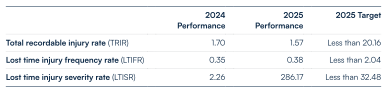
*In 2025, we set targets to achieve TRIR, LTIFR, and LTISR levels at least 10 percent better than national average. National average is based on rates from the Philippine Statistics Authority’s Integrated Survey on Labor and Employment.
*The formula for TRIR, LTIFR and LTISR is based on the number of fatalities and/or injuries multiplied by 1,000,000 and divided by total man-hours. TRIR captures recordable incidents. LTIFR includes injuries that result in employees being unable to work for at least one full shift. LTISR includes lost workdays resulting from workplace incidents.