

Wind energy is shaping the future of power generation as a reliable and clean alternative to traditional fossil fuels. By capturing the natural movement of air, wind energy provides a sustainable and virtually limitless source of electricity that meets today’s power needs without compromising the environment for future generations.
In the face of rising climate concerns and the urgent call for decarbonization, wind energy stands out not only for its environmental benefits but also for its economic and social contributions. Beyond clean electricity production, wind energy supports energy security, creates jobs and encourages innovation.
What is wind energy and how does it work?
Wind energy is generated by converting kinetic energy from moving air into electricity. Wind turbines, equipped with large blades, capture the wind’s momentum. As the wind blows, it causes the blades to rotate around a rotor. This rotational motion drives a generator inside the turbine, converting mechanical energy into electrical energy. The produced electricity then flows to the grid, ready to power homes and businesses across industries.
Modern wind turbines come in two primary types: onshore and offshore. Onshore wind farms are located on land and are widely used worldwide due to easier installation and maintenance. Offshore wind farms, positioned in bodies of water like seas or oceans, benefit from stronger and more consistent winds, enabling higher energy yield.
Given these mechanics and types of wind turbines, what are the advantages of wind energy?
The benefits of wind energy
Wind energy offers a range of powerful advantages that make it a cornerstone of the global clean energy transition. Understanding these benefits explains why wind is rapidly becoming a preferred energy source worldwide.
1. Provides a renewable and sustainable power source
Wind energy relies on the natural movement of air, which is constantly replenished by the sun’s heating of the Earth. Unlike fossil fuels, wind cannot run out or be depleted. This makes wind an inexhaustible resource, providing a reliable and long-term energy supply. The renewable nature of wind energy helps reduce dependency on finite energy sources, supporting resilient power systems.
2. Produces no greenhouse gas emissions
One of wind energy’s biggest environmental benefits is that it can generate electricity without producing emissions that can pollute the air or water. This drastically cuts the carbon footprint compared to coal-fired power plants (CFPPs), which are major contributors to climate change.
Because wind turbines do not burn fuel, they avoid air pollution associated with respiratory and cardiovascular diseases. By reducing emissions, wind energy contributes directly to cleaner air and mitigates natural calamities linked to global warming.
3. Supports energy independence
Investing in wind energy promotes domestic production of electricity using a resource available locally. This decreases reliance on imported fuels, protecting nations from price volatility and supply disruptions in global markets. Scaling up wind power helps countries achieve greater energy security and establish a more self-sufficient, resilient energy supply chain. This independence also supports economic stability and national development goals.
4. Generates cost-effective energy
Another advantage of wind power is that it is now one of the most cost-effective sources of electricity globally. While upfront construction costs can be substantial, operational and maintenance expenses remain relatively low since wind power is free. This cost-effectiveness makes wind energy a smart investment offering stable, predictable prices and no fuel price risk over decades of service.
5. Develops jobs and infrastructure
The growth of the wind energy sector can drive job creation across many stages, including manufacturing, engineering, installation, maintenance and project management. These jobs often benefit rural or underserved communities where wind farms are located, promoting local economic development. Infrastructure investments for wind projects also enhance regional connectivity and service quality, delivering broad socio-economic improvements beyond energy supply.
6. Provides scalability and flexibility
Wind farms are highly adaptable to different scales. They can power small communities with a handful of turbines or supply large urban centers through extensive wind farms. This versatility allows energy planners to optimize the size and location of wind projects according to local needs, grid capacity and environmental considerations, enabling more customized and efficient energy solutions.
7. Complements other renewables
Wind energy complements solar power effectively, as wind can still blow during periods when solar light exposure is low, such as at night or on cloudy days. Integrating both energy types into power systems prevents supply fluctuations and enhances grid reliability. This synergy helps build a sustainable and diversified energy mix capable of meeting demand consistently.
How does the use of solar and wind energy over other energy sources help our environment?
Using solar and wind energy in place of coal offers vital environmental benefits. Unlike coal, oil or natural gas power plants, solar panels and wind turbines do not emit pollutants that damage air quality and accelerate climate change. This reduction in emissions directly supports the global fight against environmental degradation and health risks linked to pollution. Furthermore, solar and wind tap into abundant, renewable natural resources that do not run out, promoting long-term energy sustainability and conserving limited fossil fuel reserves.
Beyond reducing emissions, solar and wind energy minimize other environmental impacts. They consume far less water than conventional power plants, helping preserve freshwater resources essential to people and ecosystems. While manufacturing and installing renewable technologies produce some environmental footprint, these impacts are significantly less damaging than the full lifecycle of fossil fuels, including extraction, transport and combustion.
Embracing the solar and wind energy advantages is essential to transitioning away from polluting fuels and securing a sustainable energy future.
Driving progress through strategic projects
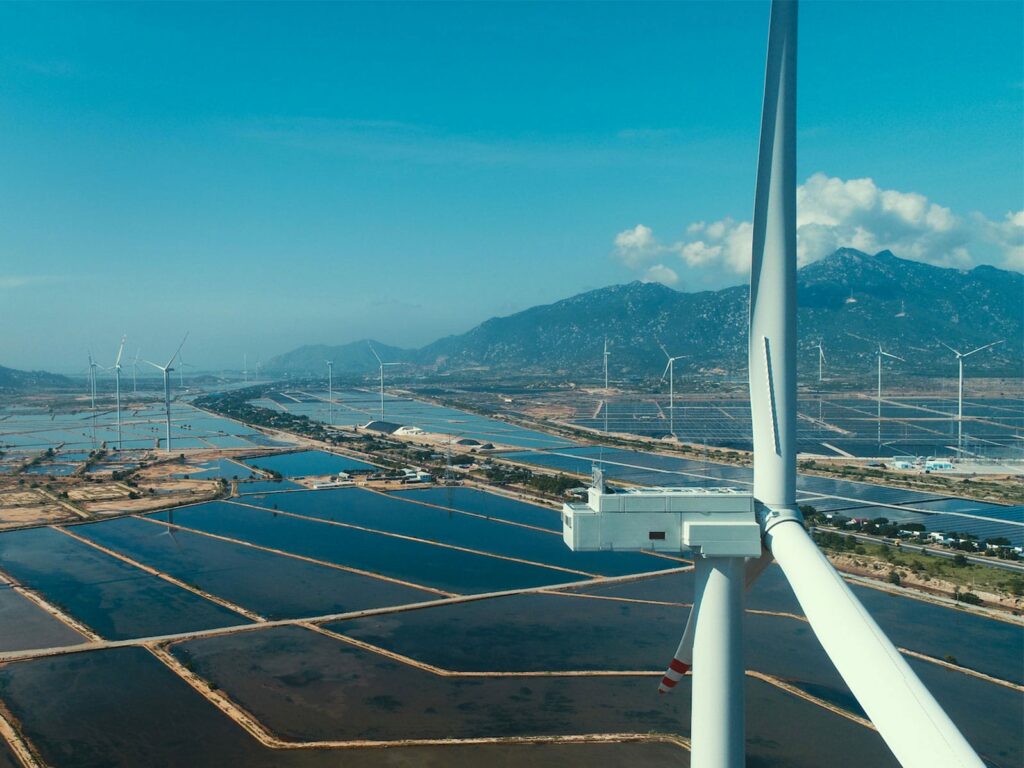
Wind energy benefits drive positive environmental, social, and economic change. In the Philippines, ACEN projects such as the 54 MW Guimaras Wind in San Lorenzo, Guimaras, the 160 MW Pagudpud Wind, the 81 MW North Luzon Renewables, the 52 MW NorthWind and the 70 MW Capa Wind projects in Ilocos Norte all significantly contribute to the country’s goal of increasing clean energy’s share to 35% by 2030.
Meanwhile in Vietnam, ACEN operates several key wind farms, including the 60 MW Lạc Hòa and Hòa Đông Wind in Soc Trang, the 80 MW Mũi Né Wind in Binh Thuan, the 88 MW Ninh Thuận Wind, and the 252 MW Quảng Bình Wind (252 MW). These projects have contributed significantly to Vietnam’s clean energy goals and supported local communities since 2017.
ACEN’s 600 MW Monsoon Wind project in Lao PDR, which will deliver clean electricity to Vietnam, boosts cross-country collaboration to bolster energy security in the region, while the 38 MW Chestnut Flats Wind in Pennsylvania, and the 136 MW Stockyard Wind in Texas, U.S.A., represent ACEN’s global reach. Through such projects, ACEN is powering a cleaner, more resilient future by expanding wind energy infrastructure worldwide.
References:
- Office of Energy Efficiency & Renewable Energy. (n.d.). What Is Wind Power? Energy.gov. https://windexchange.energy.gov/what-is-wind
- National Grid. (2022, March 30). Onshore vs offshore wind energy: what’s the difference? | National Grid Group. Www.nationalgrid.com. https://www.nationalgrid.com/stories/energy-explained/onshore-vs-offshore-wind-energy
- Turgeon, A., & Morse, E. (2022, September 27). Wind | National Geographic Society. Education.nationalgeographic.org. https://education.nationalgeographic.org/resource/wind/
- U.S. Energy Information Administration. (2022, December 27). Wind Energy and the Environment. Eia.gov; U.S. Energy Information Administration. https://www.eia.gov/energyexplained/wind/wind-energy-and-the-environment.php
- Office of Energy Efficiency & Renewable Energy. (2023, August 24). How Wind Can Help Us Breathe Easier. Energy.gov; U.S. Department of Energy. https://www.energy.gov/eere/wind/articles/how-wind-can-help-us-breathe-easier
- U.S. Department of Energy. (2025). Advantages and Challenges of Wind Energy. Energy.gov; Office of Energy Efficiency & Renewable Energy. https://www.energy.gov/eere/wind/advantages-and-challenges-wind-energy